

5 Minute Meditation: Quick Way to Reduce Stress & Focus
As Jon Kabat-Zinn once said, “You can’t stop the waves, but you can learn to surf.” Life’s challenges can feel overwhelming, but taking just a few moments to pause and breathe can make all the difference. Imagine a simple practice that fits seamlessly into your day, offering clarity and calm in just a short span of time.
Think of this practice as a push-up for your brain. Just as physical exercise strengthens your body, a brief session of mindfulness can sharpen your focus and reduce stress. It’s not about finding hours in your schedule—it’s about making the most of the time you have.
Whether you’re a beginner or someone looking to refresh your routine, this approach is designed to be accessible. By focusing on your breath and thoughts, you can enhance your mood, boost your immune function, and strengthen neural connections. It’s a small investment with big rewards.
Ready to start? This article will guide you through the process, showing you how to incorporate this practice into your daily life. With consistency, you might find yourself naturally extending your sessions, but even a short time can be transformative.
Key Takeaways
- A brief mindfulness session can improve focus and reduce stress.
- Think of it as a mental exercise, like a push-up for your brain.
- This practice fits easily into any schedule, even on busy days.
- Focusing on your breath can elevate mood and boost immunity.
- Consistency can lead to longer sessions over time.
Understanding the Benefits of 5 Minute Meditation
Taking a few moments each day to focus inward can yield remarkable benefits. This simple habit can enhance your brain health, emotional clarity, and physical well-being. Let’s explore how this practice can transform your daily life.
Brain Health and Cognitive Gains
Think of this practice as a mental push-up. Just like physical exercise strengthens your muscles, focusing your mind can improve cognitive function. Studies, including one from the University of Surrey, show that even short sessions can boost concentration and neural connectivity.
Regular practice helps your brain process information more efficiently. It also enhances memory and problem-solving skills. Over time, you’ll notice a sharper, more focused mind.
Emotional and Physical Wellbeing
This habit isn’t just about the mind—it benefits your body too. Research highlights its role in reducing anxiety and promoting emotional clarity. It’s like hitting a reset button for your emotions.
Physically, it can improve sleep quality and even strengthen your immune system. By calming your nervous system, it helps your body recover and thrive. Here’s a quick breakdown of the key benefits:
| Aspect | Benefits |
|---|---|
| Brain Health | Improved focus, memory, and neural connectivity |
| Emotional Wellbeing | Reduced anxiety, enhanced emotional clarity |
| Physical Health | Better sleep, stronger immune function |
As one researcher noted, “Mindfulness is not just a mental exercise—it’s a holistic approach to health.” Whether you’re a beginner or a seasoned practitioner, the benefits are within reach. Start small, and watch how this practice transforms your life.
Getting Started with Your 5 Minute Meditation Practice
Starting a mindfulness routine doesn’t have to be complicated or time-consuming. With just a few simple steps, you can create a calming space and establish a practice that fits into your day. Whether you’re new to mindfulness or looking to refresh your routine, this guide will help you begin with ease.
Creating a Calm Environment
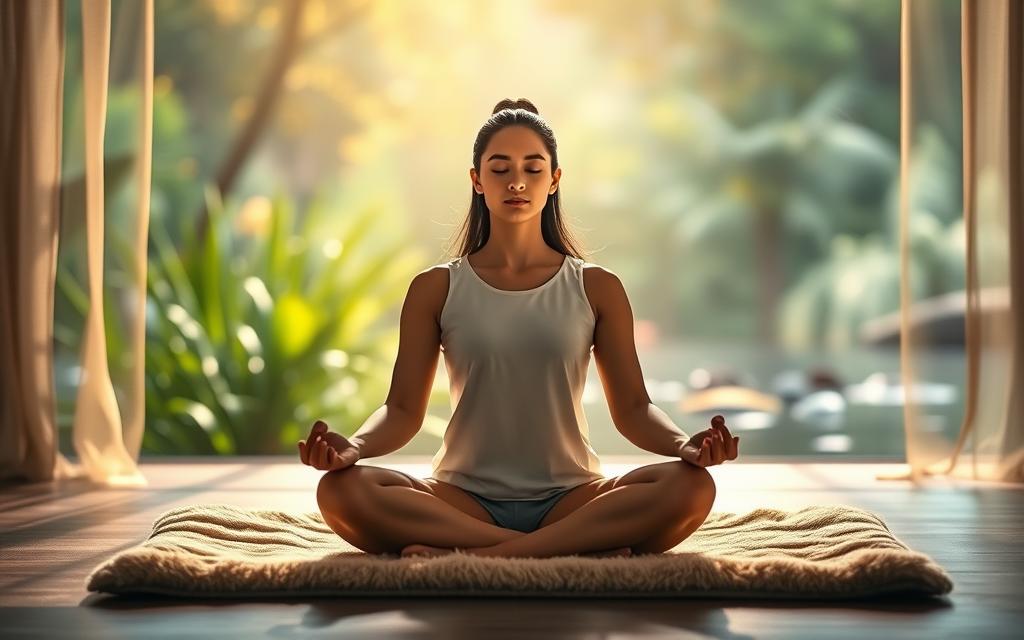
Your surroundings play a big role in your mindfulness practice. Choose a quiet spot where you won’t be interrupted. This could be a corner of your room, a cozy chair, or even a peaceful outdoor area. The key is to make it feel inviting and free from distractions.
Consider adding elements that enhance relaxation, like soft lighting, a comfortable cushion, or calming scents. These small touches can help signal to your mind that it’s time to unwind.
Setting a Timer and Preparing Your Space
To fully focus on your practice, set a timer for five minutes. This removes the need to check the clock and allows you to immerse yourself in the moment. Use a gentle alarm tone to avoid jarring interruptions.
Next, ensure your body is comfortable. Sit in a relaxed position, whether on a chair, cushion, or the floor. Wear loose clothing that doesn’t restrict your breathing. These adjustments help you stay present and at ease.
Finding Your Ideal Moment
Timing is important when meditating. Choose a part of your day when you’re least likely to be interrupted. For many, mornings are ideal, as they set a positive tone for the day. Others prefer a midday break or an evening session to unwind.
Experiment with different times to see what works best for you. Consistency is key, so aim to practice at the same time each day. Over time, this will become a natural part of your routine.
| Step | Action |
|---|---|
| 1 | Choose a quiet, comfortable space. |
| 2 | Set a timer for five minutes. |
| 3 | Adjust seating and clothing for comfort. |
| 4 | Select a consistent time each day. |
Remember, the goal is to make this practice a seamless part of your life. Start small, and you’ll soon notice the benefits of mindfulness in your day-to-day activities.
Your Daily 5 Minute Meditation Routine
Establishing a daily mindfulness routine can be simpler than you think. With just a few steps, you can create a practice that fits seamlessly into your schedule. This routine focuses on your breath and helps you gently handle distractions, making it accessible for everyone.
Focusing on Your Breath
Start by finding a comfortable position. Sit with your back straight but relaxed. Close your eyes and take a deep breath in, then slowly exhale. Let your breath flow naturally, without forcing it.
Focus on the sensation of your breath. Notice how it feels as it enters and leaves your body. If your mind starts to wander, gently bring your attention back to your breath. This simple act helps anchor your mind in the present moment.
Acknowledging and Letting Go of Thoughts
It’s normal for thoughts to arise during your practice. Instead of fighting them, acknowledge them without judgment. Picture them as clouds passing by in the sky. Let them drift away and return your focus to your breath.
This process teaches you to observe your thoughts without getting caught up in them. Over time, it builds mental clarity and emotional balance. Remember, consistency is key—even a short daily session can make a big difference.
Here’s a quick guide to your daily routine:
- Find a quiet, comfortable space.
- Set a timer for a few minutes.
- Focus on your breath, letting it flow naturally.
- Acknowledge wandering thoughts and gently return to your breath.
As one mindfulness expert puts it, “The breath is your anchor—it keeps you grounded in the present.” By practicing daily, you’ll cultivate a habit that enhances your overall well-being.
Incorporating Meditation into a Busy Schedule
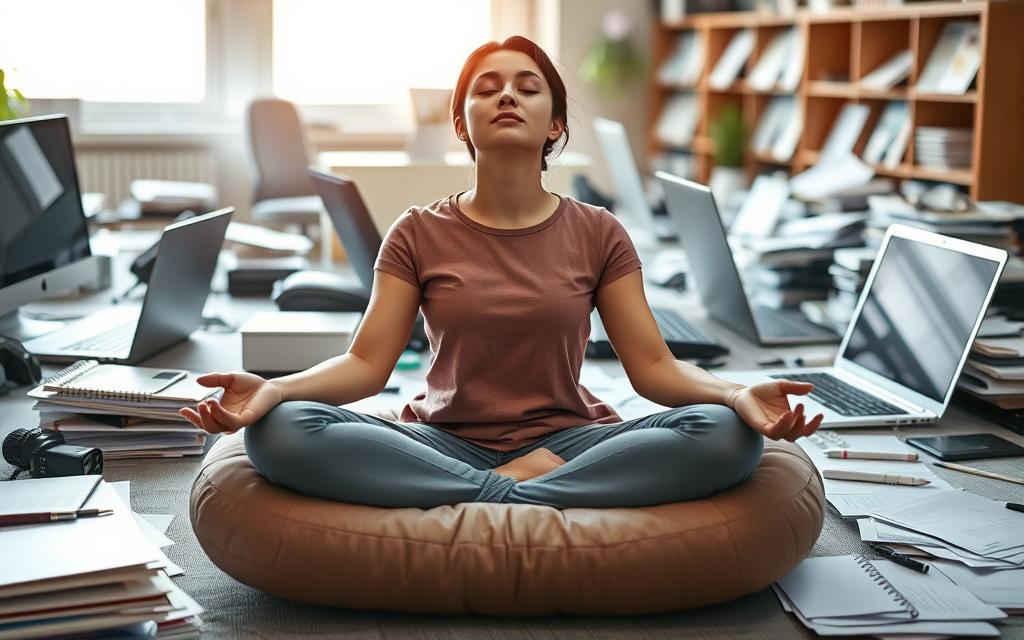
Finding time for mindfulness in a packed schedule might seem impossible, but it’s easier than you think. Even the busiest individuals can benefit from short, focused sessions. By carving out just a few moments in your day, you can create a routine that fits seamlessly into your life.
Morning Meditation Rituals
Starting your day with a brief mindfulness session can set a positive tone. Many people find that a morning practice helps them feel grounded and focused. It’s a simple way to prepare your mind for the challenges ahead.
Try this: Sit in a quiet space, close your eyes, and focus on your breath. Let your thoughts come and go without judgment. This small act can help you approach the day with clarity and calm.
One user shared, “My morning routine has transformed my productivity. I feel more centered and less reactive throughout the day.”
Evening Wind-Down Sessions
An evening practice can help you unwind and prepare for restful sleep. It’s a chance to release the stress of the day and calm your mind. Many find that this ritual improves their sleep quality and overall well-being.
Here’s a simple technique: Sit comfortably, take deep breaths, and focus on the sensation of relaxation. Let go of any lingering thoughts or worries. This practice can signal to your body that it’s time to rest.
As one practitioner noted, “My evening sessions have become a non-negotiable part of my day. They help me sleep better and wake up refreshed.”
| Time of Day | Benefits |
|---|---|
| Morning | Sets a positive tone, boosts focus |
| Evening | Promotes relaxation, improves sleep |
Experiment with different times to see what works best for you. Whether it’s a morning boost or an evening wind-down, consistency is key. Over time, these short sessions will become a natural part of your routine, offering lasting benefits for your mind and body.
Enhancing Your Meditation Experience
Enhancing your mindfulness journey can be both simple and rewarding. By exploring new tools and techniques, you can deepen your practice and unlock even greater benefits. Whether you’re a beginner or looking to refine your routine, these strategies can help you make the most of your time.
Exploring Guided Meditation Apps
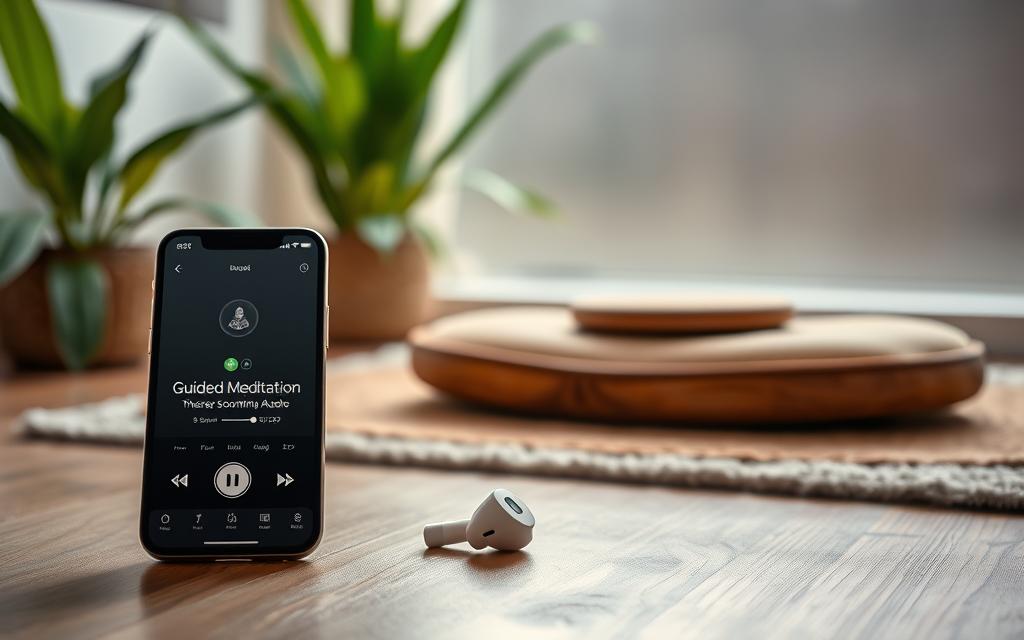
Guided meditation apps like Headspace, Calm, and Insight Timer can be excellent companions for your practice. These apps offer structured sessions, making it easier to stay focused and inspired. They also provide a variety of themes, from stress relief to sleep improvement, tailored to your needs.
One user shared, “Using a guided app helped me stay consistent. It felt like having a personal coach for my mindfulness journey.” These tools are especially helpful for beginners who may struggle to focus on their own.
Adapting Practices for Beginners
If you’re new to mindfulness, start with simple techniques. Focus on your breath or use a guided session to anchor your attention. It’s okay if your mind wanders—gently bring it back without judgment.
Consider shorter sessions to build confidence. Over time, you can gradually extend your practice. Remember, consistency is more important than duration. Even a few minutes daily can make a difference.
Long-Term Benefits and Growth
With regular practice, you’ll notice lasting changes. Improved emotional resilience, better focus, and a deeper meditative state are just a few of the rewards. Many practitioners find that mindfulness enhances their productivity and overall well-being.
As one expert noted, “Mindfulness is a journey, not a destination. The more you practice, the more you’ll discover its transformative power.” Experiment with different apps and techniques to find what works best for you. Your practice will evolve as you grow.
Conclusion
Small moments of mindfulness can lead to big changes in your life. By dedicating just a few minutes daily, you can experience improved focus, reduced stress, and enhanced emotional well-being. This simple practice fits seamlessly into even the busiest schedules, offering a way to reset and recharge.
Consistency is key. Over time, you’ll notice a deeper sense of calm and clarity. Whether you’re new to mindfulness or refining your routine, every session contributes to your overall health and happiness.
Ready to start? Begin today and see how this practice transforms your day-to-day life. Share your experiences or questions—we’re here to support your journey. Remember, every moment spent in mindfulness makes a positive difference.
FAQ
How can a short meditation session help reduce stress?
A brief session helps calm your mind, lower cortisol levels, and bring focus. It’s a quick way to reset and feel more centered during a busy day.
What are the key benefits of practicing mindfulness daily?
Daily mindfulness improves focus, reduces anxiety, and enhances emotional balance. It also supports better sleep and overall mental clarity.
How do I create a calm environment for my practice?
Choose a quiet space, dim the lights, and remove distractions. Add calming elements like candles or soft music to enhance your experience.
When is the best time of day to meditate?
Morning sessions can set a positive tone for your day, while evening practices help unwind and prepare for restful sleep. Choose what fits your schedule.
Can beginners benefit from guided meditation apps?
Absolutely! Apps like Headspace or Calm offer structured sessions, making it easier for beginners to start and stay consistent with their practice.
How do I focus on my breath during meditation?
Pay attention to the natural rhythm of your breathing. Inhale deeply, exhale slowly, and gently bring your focus back if your mind wanders.
What are the long-term benefits of a regular meditation routine?
Over time, you’ll notice improved mental clarity, reduced stress, and better emotional resilience. It also fosters a deeper connection with yourself.
How can I fit meditation into a busy schedule?
Start with short sessions, like five minutes, and integrate them into your routine. Use moments like your morning coffee or before bed to make it a habit.