


Mindfulness Activity to Reduce Stress & Find Calm
Have you ever felt overwhelmed by the chaos of daily life? Stress can creep in, leaving you drained and disconnected. But what if you could transform those moments into opportunities for calm and clarity? That’s where mindfulness comes in.
Mindfulness is about being fully present in the moment, aware of your thoughts, feelings, and surroundings without judgment. Research from sources like Greater Good Magazine and studies by Davidson and Lutz shows that practicing mindfulness can reduce stress and improve cognitive function. It’s not just a buzzword—it’s a powerful tool for mental and emotional well-being.
This article blends scientific insights with practical exercises to help you cultivate present-moment awareness. From deep breathing to meditation, these simple practices can bring balance to your mind and body. Whether you’re new to mindfulness or looking to deepen your practice, this guide is here to support you.
Key Takeaways
- Mindfulness helps reduce stress and promotes calmness.
- Deep breathing and meditation are effective mindfulness exercises.
- Practicing mindfulness improves mental clarity and emotional regulation.
- Scientific research supports the benefits of mindfulness for brain health.
- Mindfulness can be integrated into everyday life for lasting benefits.
Understanding Mindfulness and Its Benefits
In a world filled with distractions, finding peace can feel like a challenge. Mindfulness is a practice that helps you stay grounded in the present moment. It’s about paying attention to your thoughts, feelings, and surroundings without judgment. This simple yet powerful technique can transform how you experience life.

What is Mindfulness?
Mindfulness is the act of being fully present and aware of your experiences. It’s not about clearing your mind but observing it without criticism. By focusing on the here and now, you can reduce anxiety and improve your emotional well-being. This practice encourages acceptance, helping you respond to life’s challenges with clarity.
Scientific and Emotional Benefits
Research shows that mindfulness can have a profound impact on your body and mind. Studies reveal it reduces stress, improves focus, and enhances emotional regulation. For example, classroom studies have shown that students who practice mindfulness exhibit better self-control and awareness.
Emotionally, mindfulness helps you break free from negative thought patterns. It teaches you to acknowledge your feelings without letting them overwhelm you. This can lead to greater resilience and a more balanced outlook on life.
Effective Mindfulness Activity for Stress Reduction
When stress takes over, it can feel like your thoughts are running a marathon. Your heart races, your breath quickens, and your mood plummets. But there’s a way to hit the pause button: mindfulness. This practice helps you slow down, refocus, and regain control.
How It Calms the Mind
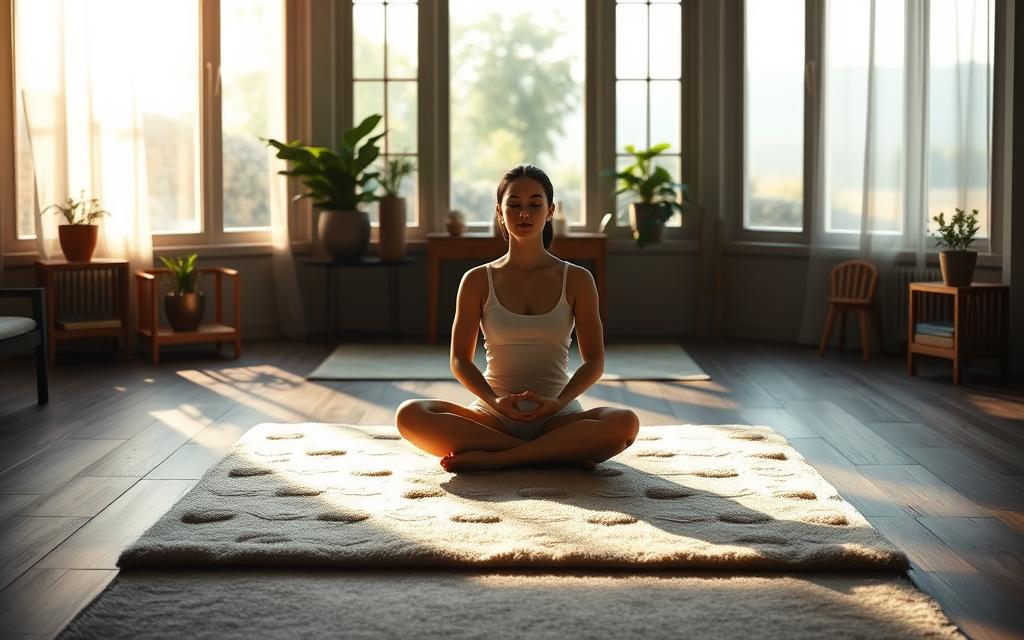
Mindfulness works by shifting your attention to the present moment. Studies show that it reduces cortisol, the stress hormone, and even changes brain structure. For example, research from Harvard Medical School found that regular meditation increases gray matter in areas linked to emotional regulation.
When you focus on your breath, your heart rate slows, and your body begins to relax. This simple act can break the cycle of racing thoughts and bring a sense of calm. Over time, these small moments of mindfulness add up, helping you manage stress more effectively.
Simple Exercises to Try
Here are a few exercises to help you get started:
- Deep Breathing: Sit comfortably, close your eyes, and take slow, deep breaths. Focus on the sensation of air entering and leaving your body.
- Body Scan: Lie down and mentally scan your body from head to toe. Notice any tension and consciously release it.
- Five Senses Exercise: Pause and identify one thing you can see, hear, touch, taste, and smell. This grounds you in the present moment.
| Exercise | Benefit |
|---|---|
| Deep Breathing | Lowers heart rate and reduces stress |
| Body Scan | Releases physical tension |
| Five Senses Exercise | Grounds you in the present moment |
These exercises are easy to incorporate into your day. Whether you’re at work, home, or on the go, they can help you find calm in stressful moments. Start with just a few minutes and gradually increase the time as you become more comfortable.
Simple Mindfulness Exercises to Cultivate Presence
Feeling scattered? Simple exercises can help you reconnect with the present. These practices are easy to integrate into your day, even when time is tight. By focusing on the here and now, you can enhance your awareness and reduce stress.

One effective exercise is taking a deep breath. Sit comfortably, close your eyes, and inhale slowly. Feel the air fill your lungs, then exhale gently. This simple act can ground you in the moment and calm your mind.
Another idea is the Five Senses Exercise. Pause and identify one thing you can see, hear, touch, taste, and smell. This practice sharpens your awareness and brings you back to the present. It’s a quick way to reset during a busy day.
Integrating these exercises into your routine can improve your attention and overall well-being. Even a few minutes can make a difference. Here’s a table to help you get started:
| Exercise | Benefit |
|---|---|
| Deep Breathing | Calms the mind and reduces stress |
| Five Senses Exercise | Grounds you in the present moment |
| Body Scan | Releases physical tension |
These practices are designed to fit into your schedule. Whether you’re at work, home, or on the go, they can help you stay centered. Start small, and you’ll notice the benefits over time.
Mindful Meditation and Deep Breathing Practices
Do you ever find yourself caught in a whirlwind of thoughts? Practicing mindful meditation and breathing can help you regain focus and calm. These techniques are simple yet powerful tools to reduce stress and enhance your well-being.
Basic Breathing Techniques
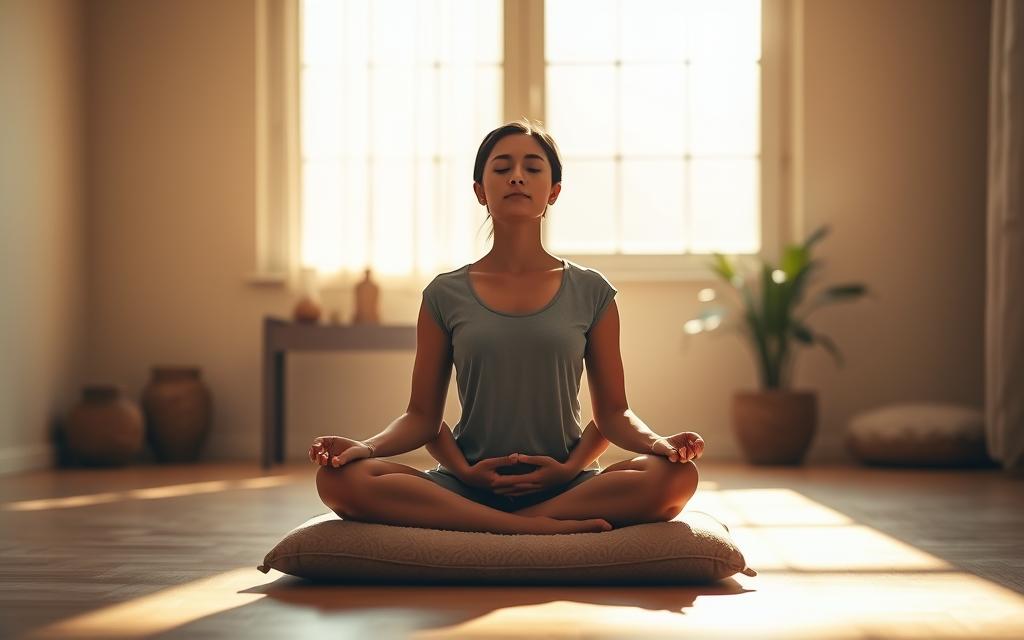
Breathing is a natural way to calm your nervous system. One effective method is deep breathing. Sit comfortably, close your eyes, and inhale slowly through your nose. Feel your chest rise as you count to four. Then, exhale gently through your mouth for a count of six. Repeat this for a few minutes.
Another technique is box breathing. Inhale for four counts, hold for four, exhale for four, and hold again for four. This pattern helps regulate your breath and brings a sense of balance. Research shows that mindful breathing reduces cortisol levels, promoting relaxation.
Guided Meditation Tips
Guided meditation is a great way to start your practice. Find a quiet space and sit or lie down comfortably. Focus on your breath or follow a recorded voice that leads you through the process. Pay attention to bodily sensations, like the rise and fall of your chest or the feeling of your feet on the ground.
Here’s a simple exercise:
- Close your eyes and take three deep breaths.
- Scan your body from head to toe, noticing any tension.
- Imagine a calming scene, like a beach or forest.
- Stay in this state for 5-10 minutes, focusing on your breath.
This practice can help you feel grounded and present.
| Technique | Benefit |
|---|---|
| Deep Breathing | Calms the nervous system |
| Box Breathing | Regulates breath and reduces stress |
| Guided Meditation | Enhances focus and relaxation |
Even a few minutes of these practices can make a difference. Start small, and you’ll notice how they improve your attention and overall well-being.
Body Awareness Through Mindful Body Scan Activities
Have you ever noticed how your body holds tension without you realizing it? A mindful body scan is a powerful tool to help you reconnect with your physical sensations and release built-up stress. This practice encourages you to tune into your body from head to toe, fostering a deeper sense of awareness and calm.
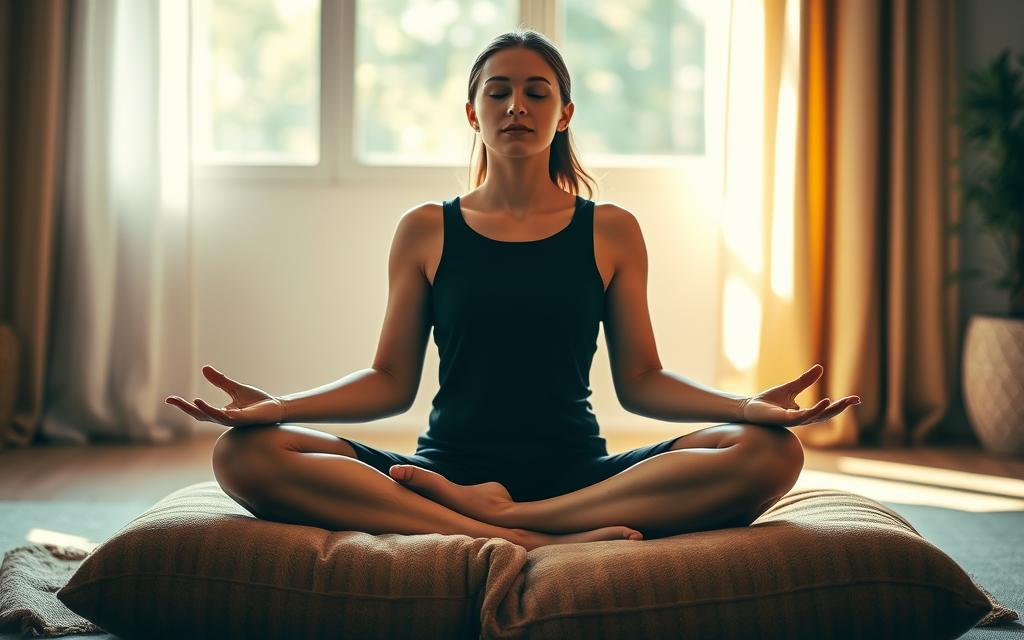
Research shows that body scan techniques can significantly reduce anxiety and stress. Studies from the University of Massachusetts Medical School found that participants who practiced regular body scans experienced improved emotional regulation and reduced physical tension. This simple yet effective exercise can help you feel more grounded and present in your daily life.
How to Perform a Body Scan
Here’s a step-by-step guide to help you get started:
- Find a quiet space and lie down or sit comfortably. Close your eyes and take a few deep breaths to relax.
- Begin by focusing on your feet. Notice any sensations, like warmth, tingling, or tension. Take a moment to consciously release any tightness.
- Slowly move your attention upward, scanning each part of your body—your legs, hips, stomach, chest, arms, and shoulders. Acknowledge any discomfort without judgment.
- End with your head and face. Notice your jaw, eyes, and forehead. Relax any areas that feel tense.
- Take a few final deep breaths, feeling your entire body at ease.
This practice helps you detect and release tension you might not even realize you’re holding. Over time, it can improve your ability to manage stress and stay present.
To make this a habit, try incorporating a body scan into your daily routine. You can do it in the morning to start your day with clarity or at night to unwind before bed. Even just five minutes can make a difference.
“The body scan is a simple yet profound way to reconnect with yourself and release stress.”
By practicing a mindful body scan regularly, you’ll cultivate a deeper connection with your body and enhance your overall well-being. Give it a try and notice the positive changes it brings to your life.
Mindful Eating: Savoring Every Bite
Do you ever rush through meals without truly tasting your food? Mindful eating is a practice that transforms mealtime into a moment of connection and awareness. By paying attention to your food, you can enhance your experience and improve your overall well-being.

Mindful eating is about savoring every bite. It encourages you to slow down and engage all your senses. This practice helps you appreciate the flavors, textures, and aromas of your meal. It’s not just about eating—it’s about being present.
Here are some simple tips to get started:
- Eliminate distractions like TV or phones during meals.
- Take small bites and chew slowly to fully enjoy the taste.
- Notice the colors, smells, and textures of your food.
Engaging all five senses can make eating a richer experience. For example, pause to feel the crunch of a carrot or the smoothness of yogurt. This practice not only enhances enjoyment but also improves digestion and satisfaction.
Research shows that mindful eating can lead to better food choices and a healthier relationship with eating. It helps you tune into your body’s hunger and fullness cues, reducing overeating and promoting balance.
| Practice | Benefit |
|---|---|
| Eliminate distractions | Enhances focus on the meal |
| Chew slowly | Improves digestion and satisfaction |
| Engage all senses | Deepens appreciation for food |
By incorporating these practices, you can turn every meal into a moment of mindfulness. Start small, and you’ll notice how it transforms your relationship with food and your body.
Mindfulness in Daily Movement and Physical Activity
Have you ever considered how your daily movements can become a source of calm? Integrating mindfulness into your physical routine can transform simple actions like walking or stretching into powerful tools for stress relief and well-being. By focusing on your body’s sensations, you can turn everyday exercise into a calming ritual.

Mindful Walking: A Simple Practice
Walking is one of the easiest ways to incorporate mindfulness into your day. Instead of rushing, slow down and pay attention to each step. Notice how your feet feel as they touch the ground. Feel the rhythm of your walk and the movement of your arms. This practice can help you stay present and reduce stress.
Here’s how to get started:
- Choose a quiet path or space where you can walk without distractions.
- Focus on your breath, inhaling and exhaling in sync with your steps.
- Notice the sensations in your body, like the breeze on your skin or the sound of your footsteps.
Stretching with Awareness
Stretching is another excellent way to practice mindfulness. As you stretch, pay attention to how your muscles feel. Are they tight or relaxed? Focus on your breath and move slowly, allowing your body to guide you. This can improve circulation and release tension.
Try this simple routine:
- Stand tall and take a deep breath.
- Reach your arms overhead, feeling the stretch in your shoulders.
- Bend forward gently, letting your head hang loose.
- Hold each position for a few breaths, noticing how your body responds.
Benefits of Mindful Movement
Moving mindfully offers numerous benefits. It can reduce stress, improve circulation, and enhance your connection to your body. Research shows that combining physical exercise with mindfulness principles can lead to greater emotional balance and focus.
“Mindful movement is not just about physical health—it’s about nurturing your mind and spirit.”
By incorporating these practices into your routine, you can transform ordinary movements into moments of peace and clarity. Start small, and you’ll soon notice the positive impact on your well-being.
Mindfulness Techniques for Busy Adults
Do you often feel like your day is slipping away without a moment to breathe? Balancing work, family, and personal time can leave little room for self-care. But even in a packed schedule, small mindful practices can make a big difference.
One effective method is single-tasking. Instead of juggling multiple tasks, focus on one thing at a time. This helps you pay attention to the present moment and reduces mental clutter. Studies show that single-tasking improves productivity and lowers stress levels.
Another quick technique is the 20-20-20 rule. If you spend long hours in front of a screen, take a break every 20 minutes. Look at something 20 feet away for 20 seconds. This reduces digital eye strain and gives your mind a brief pause.
Here are more ways to incorporate mindfulness into your day:
- Deep Listening: When talking to someone, focus entirely on their words. This strengthens relationships and keeps you grounded.
- Mindful Pauses: Take a few deep breaths before starting a new task. This helps reset your focus and calm your mind.
- Gratitude Moments: Reflect on one thing you’re grateful for each day. This simple practice can shift your mindset and reduce anxiety.
Research also highlights the benefits of mindfulness for managing depression and anxiety. A study from the University of Oxford found that regular mindfulness practices can significantly improve emotional well-being.
“Even in the busiest of days, small mindful pauses can bring clarity and calm.”
By integrating these techniques into your routine, you can create moments of peace and focus, no matter how hectic your life gets. Start small, and you’ll notice the positive impact on your mental clarity and overall well-being.
Mindfulness for Families and Group Interactions
Do you ever feel disconnected from those around you? Practicing mindfulness as a family or in a group setting can create deeper connections and foster empathy. Shared mindfulness activities encourage open communication and help everyone feel more present and engaged.
Whether it’s during meals, outings, or classroom interactions, mindfulness can transform ordinary moments into meaningful experiences. These practices are especially beneficial for students and parents, helping them manage stress and build stronger emotional bonds.
Group-Based Mindful Games
Games are a fun way to introduce mindfulness to families and groups. They encourage interaction and help everyone focus on the present moment. Here are a few ideas:
- Listening Circle: Sit in a circle and take turns sharing something about your day. The group listens without interrupting, fostering empathy and active listening.
- Gratitude Jar: Each person writes down something they’re grateful for and adds it to a jar. At the end of the week, read the notes together to reflect on positive moments.
- Mindful Charades: Act out emotions or actions while others guess. This helps everyone tune into thoughts and feelings in a playful way.
These activities are simple yet effective in creating a sense of togetherness and improving communication.
Mindfulness to Strengthen Relationships
Mindfulness can deepen relationships by encouraging presence and understanding. For example, practicing mindfulness during family meals can turn them into bonding moments. Encourage everyone to eat slowly, savoring each bite and sharing their experience.
In group settings, mindfulness therapy or meditation sessions can help participants feel more connected. Research shows that shared mindfulness practices reduce stress and improve emotional well-being. This is particularly helpful for students and parents navigating daily challenges.
| Activity | Benefit |
|---|---|
| Listening Circle | Enhances empathy and communication |
| Gratitude Jar | Promotes positivity and reflection |
| Mindful Charades | Encourages emotional awareness |
By incorporating these practices into your routine, you can create lasting bonds and a more harmonious environment. Start small, and you’ll see how mindfulness can bring your family or group closer together.
Creative Mindfulness Practices: Art, Movement, and Play
Ever felt like your creativity could be a gateway to calm? Engaging in artistic and playful activities can transform stress into focused energy. These practices not only reduce anxiety but also enrich self-expression, making them a fun way to deepen your mindfulness journey.
Mindful Coloring and Crafting
Coloring and crafting are simple yet powerful ways to practice mindfulness. When you focus on creating something, your thoughts naturally settle. This helps you stay present and reduces mental clutter. Research shows that mindful coloring can lower stress and improve mood.
Here’s how to get started:
- Choose a coloring book or craft project that interests you.
- Set aside 10-15 minutes in a quiet space.
- Focus on the colors, textures, and movements as you work.
This practice is especially effective in group settings, where shared creativity fosters connection and relaxation.
Expressive Movement and Dance
Movement is another excellent way to combine creativity and mindfulness. Whether it’s dancing, stretching, or yoga, these activities help you connect with your body and release tension. Expressive movement encourages you to let go of judgment and embrace the moment.
Try this simple routine:
- Play your favorite music and stand in a comfortable position.
- Close your eyes and let your body move naturally.
- Focus on the rhythm and how your body feels as you move.
This practice can be a joyful way to reduce stress and improve emotional well-being.
| Practice | Benefit |
|---|---|
| Mindful Coloring | Reduces stress and improves mood |
| Crafting | Enhances focus and creativity |
| Expressive Dance | Releases tension and boosts energy |
By incorporating these creative practices into your routine, you can turn everyday moments into opportunities for calm and self-expression. Start small, and you’ll notice the positive impact on your mood and overall well-being.
Conclusion
Are you ready to take small steps toward a calmer, more focused life? Mindfulness offers a simple yet powerful way to reduce stress and improve your well-being. From deep breathing to mindful eating, these practices can help you stay grounded in the present moment and manage daily challenges with ease.
Research shows that mindfulness can lower anxiety, improve emotional regulation, and even enhance brain health. Whether it’s a quick breathing exercise or a mindful walk, these activities fit seamlessly into your routine. The benefit of mindfulness is clear: it helps you reconnect with your self and find balance in a busy world.
Experiment with different techniques to discover what works best for you. Dedicate just a few minutes each day to mindfulness, and you’ll notice a positive shift in your awareness and overall well-being. It’s not about perfection—it’s about progress. Start today, and transform your life one mindful moment at a time.
FAQ
What is mindfulness, and how does it help with stress?
Mindfulness is the practice of focusing your attention on the present moment without judgment. It helps reduce stress by calming your mind, improving awareness, and allowing you to manage emotions more effectively.
Can mindfulness improve my mental health?
Yes, studies show that mindfulness can reduce symptoms of anxiety and depression. It promotes emotional balance, enhances focus, and helps you develop a healthier relationship with your thoughts and feelings.
How can I start practicing mindfulness?
Begin with simple exercises like deep breathing or a body scan. Focus on your breath or pay attention to physical sensations. Even a few minutes daily can make a difference in cultivating presence.
What is a body scan, and how do I do it?
A body scan is a technique where you mentally focus on each part of your body, from head to toe. It helps you connect with physical sensations, release tension, and increase body awareness.
Can mindfulness be practiced while eating?
Absolutely! Mindful eating involves savoring each bite, paying attention to taste, texture, and smell. It helps you enjoy your food more and develop a healthier relationship with eating.
How can I incorporate mindfulness into my busy schedule?
Try short practices like mindful breathing during breaks or a quick walk where you focus on your surroundings. Even small moments of awareness can help you stay grounded.
Can families practice mindfulness together?
Yes, mindfulness can strengthen family bonds. Try group-based games or activities like mindful listening or crafting together. It’s a great way to connect and share positive experiences.
What are some creative ways to practice mindfulness?
You can try mindful coloring, expressive dance, or crafting. These activities help you focus on the present moment while engaging your creativity and senses.
How does mindful movement benefit me?
Mindful movement, like yoga or walking, combines physical activity with awareness. It helps you stay present, improves mood, and reduces stress while keeping your body active.
Can mindfulness help with relationships?
Yes, practicing mindfulness can improve communication and empathy. It helps you listen more attentively and respond thoughtfully, strengthening your connections with others.